
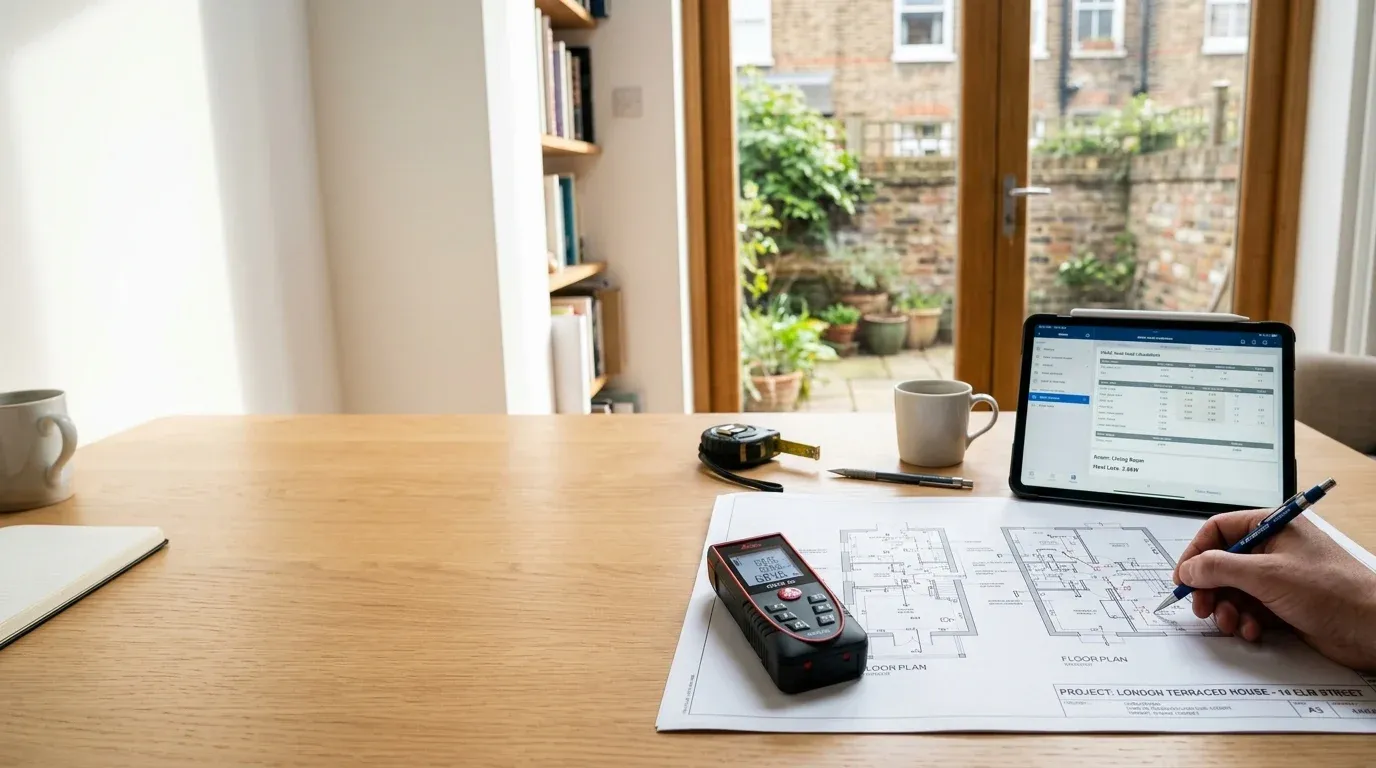
A common misconception among UK homeowners is that domestic air conditioning is prohibitively expensive to run. Many people associate air conditioning with noisy, power-hungry portable units or outdated commercial systems that cause electricity bills to skyrocket.
In reality, modern residential split systems use advanced DC inverter heat pump technology. In steady-state operation, cooling a typical bedroom costs between 10p and 18p per hour at standard UK electricity tariffs (based on the statutory 28p–30p/kWh rate). When used in reverse-cycle heating mode during winter, an air conditioning heat pump is up to four times more energy-efficient than traditional electric heaters.
This engineering guide breaks down the real mathematics of electricity consumption, compares split systems against portable air conditioners, and explains how to minimise operational costs using smart tariffs and scheduled maintenance.
1. The Engineering Formula for Running Costs
To calculate the exact operating cost of any heating or cooling equipment, engineers use this simple thermodynamic equation:
Electrical Input Power (kW) = Thermal Output Capacity (kW) / Efficiency Ratio (SEER or SCOP)
Hourly Running Cost = Electrical Input Power (kW) × Electricity Tariff (p/kWh)
- SEER (Seasonal Energy Efficiency Ratio): Measures cooling efficiency across an entire UK summer cooling season. Premium systems (such as Daikin Ururu Sarara or Mitsubishi Electric MSZ-LN) achieve SEER ratings between 8.5 and 9.5, meaning they produce over 8.5 kW of cooling for every 1 kW of electrical energy consumed.
- SCOP (Seasonal Coefficient of Performance): Measures heating efficiency across the heating season. High-end systems deliver SCOP ratings between 4.0 and 5.1.
- Inverter Modulation: Unlike old on/off compressors that draw maximum power whenever they engage, inverter compressors modulate their rotational speed down to 10%–20% once your target temperature is reached, sipping minimal power to maintain steady room temperature.
2. Summer Cooling Costs: Room-by-Room Breakdown
During summer heatwaves in London and the Home Counties, outdoor temperatures frequently climb to 30°C to 35°C. Here is what cooling actually costs across standard residential room sizes based on a standard UK electricity tariff of 30p/kWh:
Single Bedroom (2.5 kW / 9,000 BTU Unit)
- Initial Pull-Down (First 20–30 Minutes): Compressor runs at higher capacity to cool a hot room from 28°C down to 20°C, drawing approximately 600W to 800W (approx. 18p to 24p/hr).
- Steady-State Maintenance (Remaining Hours): Once the bedroom reaches 20°C, the inverter steps down to a low-frequency hum, drawing just 200W to 350W.
- Continuous Hourly Cost: 6p to 11p per hour.
- Full 8-Hour Night Sleep: Approximately 65p to 90p per night.
Large Master Suite or Living Room (3.5 kW / 12,000 BTU Unit)
- Steady-State Power Draw: 350W to 550W.
- Continuous Hourly Cost: 11p to 17p per hour.
- Typical 6-Hour Evening Usage: Approximately 66p to £1.02 per evening.
Open-Plan Kitchen & Dining Space (5.0 kW / 18,000 BTU Unit)
- Steady-State Power Draw: 500W to 850W (accounting for heat from cooking appliances and large garden glazing).
- Continuous Hourly Cost: 15p to 26p per hour.
- Full Day (8 Hours) Cooling: Approximately £1.20 to £2.08.
Even during an extended two-week heatwave, running cooling every night in your master bedroom adds less than £12 to £15 to your monthly electricity bill.
3. Technology Comparison: Split Systems vs Portable Air Conditioners
Many homeowners initially purchase a cheap portable air conditioner from a retail outlet, only to find that it generates high electricity bills and excessive noise.
The table below contrasts modern permanent split air conditioning against retail portable air conditioners and electric resistance panel heaters:
| Feature / Metric | High-Wall Inverter Split | Portable Exhaust-Hose Unit | Electric Panel / Convector Heater |
|---|---|---|---|
| Nominal Thermal Capacity | 2.5 kW (9,000 BTU) | 2.5 kW (9,000 BTU) | 2.0 kW (6,800 BTU) |
| Cooling Efficiency (SEER) | 8.5 to 9.2 (A+++) | 2.6 (Class A) | N/A (Cannot Cool) |
| Heating Efficiency (SCOP) | 4.2 to 4.6 (A++) | N/A (Cooling Only) | 1.0 (Direct Resistance) |
| Actual Electrical Power Draw | 250W – 550W | 1,100W – 1,400W | 2,000W constant |
| Hourly Operating Cost (30p/kWh) | 7.5p – 16.5p | 33p – 42p | 60p |
| Internal Acoustic Noise | 19 – 22 dB(A) (Whisper) | 58 – 65 dB(A) (Loud) | 0 dB(A) (Silent) |
| Window Integrity | Fully sealed external core hole | Window must stay cracked open | N/A |
| Air Dehumidification | Dedicated automatic drain line | Internal condensate bucket empties | N/A |
Why Portable Air Conditioners Cost 3x More to Run
Portable units sit entirely inside the room and exhaust hot air through an open window or flexible plastic duct. As the unit expels hot air outside, it creates negative air pressure inside the room, sucking hot, humid outdoor air back through door gaps, chimney flues, and floorboards.
Because portable units lack modulating inverters, their compressor runs at 100% capacity constantly, consuming 1.2 kW to 1.4 kW continuously—costing over three times as much as an installed split system while delivering inferior comfort.
4. Winter Heating Economics: Heat Pump vs Gas and Direct Electric
In winter, an air conditioning system reverses its refrigerant cycle, functioning as an ultra-efficient air-to-air heat pump.
Comparison with Mains Gas
- Mains Gas Boiler (90% Efficient): At standard gas cap rates of approximately 7.5p/kWh, generating 1 kWh of useful heat from a modern condensing gas boiler costs roughly 8.3p per kWh of heat.
- Air-to-Air Heat Pump (SCOP 4.0): At an electricity rate of 30p/kWh, an air-to-air heat pump generates 4 kWh of heat for every 30p spent. The net cost is 7.5p per kWh of heat.
- The Verdict: Heating a single room (such as a home office, bedroom, or loft extension) with an air conditioning heat pump is cheaper than turning on the central gas boiler to heat an entire 4-bedroom house. For specialised outbuilding applications, read our dedicated garden office climate control guide.
5. Maximising Efficiency with Smart Energy Tariffs
Homeowners with smart electricity meters can leverage dynamic time-of-use tariffs (such as Octopus Agile, Octopus Go, or British Gas Electric Driver) to cut operational costs further:
- Overnight Off-Peak Rates (7p–15p/kWh): Pre-cooling bedrooms during off-peak windows or running low-speed cooling overnight costs as little as 2p to 4p per hour.
- Solar PV Integration: During peak summer heatwaves, domestic rooftop solar panels generate maximum surplus electrical output at the exact hours when air conditioning cooling demand peaks, enabling 100% free solar-powered cooling.
6. How Maintenance Protects Energy Efficiency
Air conditioning systems lose efficiency when maintenance is neglected. Over 12 to 18 months of operation:
- Dust accumulation on indoor filters restricts airflow, forcing fan motors to consume up to 15% more power.
- Microbial biofilms on indoor evaporator coils insulate the heat exchanger, reducing thermal transfer.
- Outdoor condenser coils clogged with airborne debris or pollen elevate compressor condensing temperatures, increasing electrical power draw by 20% to 35%.
- Minor refrigerant leaks cause compressors to work harder for longer cycles.
Booking an annual technical tune-up preserves factory SEER/SCOP ratings and prevents component breakdown. Learn more about our comprehensive multi-point maintenance service on our air conditioning servicing page.
Summary & Investment Transparency
When engineered and installed properly, domestic air conditioning in England is an affordable, ultra-efficient climate control solution that delivers summer cooling for pennies per hour and winter heating that outperforms direct electric heaters.
To compare full supply-and-fit package pricing across single-split, multi-split, and concealed ducted configurations, visit our comprehensive air conditioning prices page or speak with our certified engineers today.